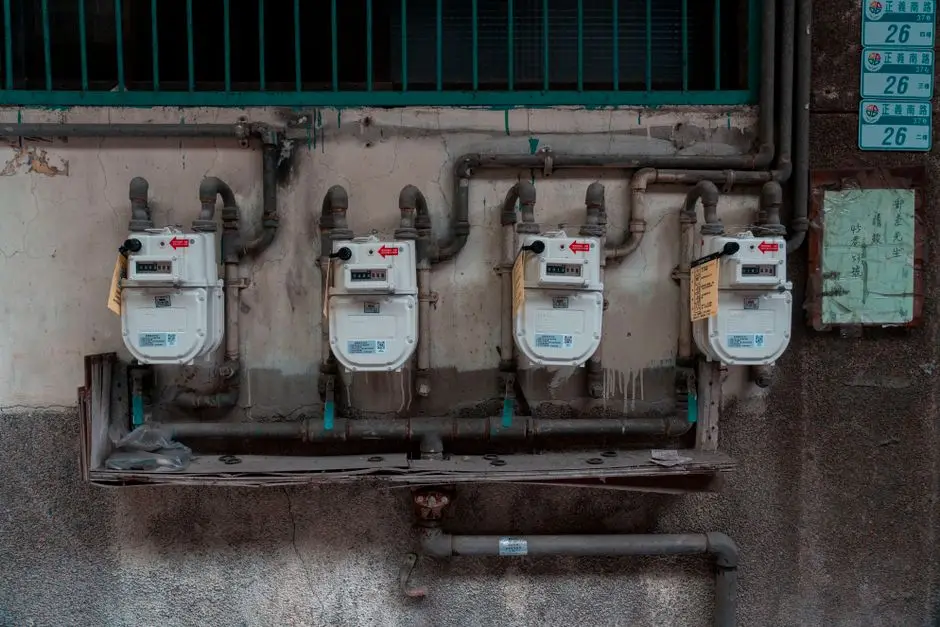
The water meter test is the simplest check a homeowner can run for a suspected slab leak. It needs no tools, no equipment, and about half an hour. It answers one question well: is water leaving your system when nothing in the house is using it?
This guide walks through the test step by step, explains how to read the result, and sets out what the test cannot tell you. Used properly, it turns a vague worry about a high bill or a damp patch into a fact you can act on and a number you can hand to a technician.
Before you start: find your meter and shut-off
Your water meter usually sits in a ground-level box near the street or property boundary. Lift the lid carefully and clear it enough to read the dial or digital display. If you cannot find the box, check near the pavement edge on the side where your main line enters the home.
Find your main shut-off valve as well, usually where the line enters the house. You should not need it for the test itself, but knowing where it is matters if the test confirms a leak and water is spreading. Do not force a stiff valve. If a valve will not turn easily, leave it and mention it to the technician.
Fairfax Water is the public supplier for Annandale. Have a recent bill handy before the test, so you can compare its usage pattern with what the meter shows today.
Step 1: stop all water use in the house
Walk through the house and make sure nothing is using water. That means taps off, toilets not running, washing machine and dishwasher off, and any irrigation or garden watering switched off. Tell everyone in the house that no water is to be used until the test is finished.
Check the easy culprits first. A toilet that runs after flushing, a dripping outside tap, or a dishwasher mid-cycle will all move the meter and ruin the test. Fix or note anything you find, and wait until the house is genuinely idle before you read the meter.
Automatic equipment deserves a check too. Water softeners, ice makers, and irrigation controllers can draw water on a schedule without anyone noticing. If any of them runs during the test, the result is meaningless, so pause or note them before you start.
Step 2: read the meter and write it down
Read the meter and write down the full number, including every digit, plus the time. On a dial meter, note the position of the sweep hand or the flow indicator if one is present. On a digital meter, note the displayed reading exactly as shown. A photo of the display is a useful backup, since it records the reading and the time together.
Do not round the reading. A small movement is still movement, and the difference between the two readings is the whole result. Write the number on paper or in your phone, not from memory, because the second reading comes half an hour later and small digits are easy to misremember.
Step 3: wait 30 minutes with everything off
Wait at least 30 minutes with no water use at all. Use a timer so the interval is exact, and keep the house idle for the whole period. If nobody needs water urgently, a longer test — two hours, or overnight — gives a clearer result for a slow leak, since a small leak moves the meter only slightly in half an hour.
During the wait, do not flush, run a tap, or start an appliance. One flush during the test looks exactly like a leak on the meter, and it wastes the half hour. If someone does use water by mistake, restart the test from the beginning rather than adjusting the numbers.
Step 4: read the meter again and compare
Read the meter a second time and write down the number and the time. Compare it with the first reading. If the number has not changed and no flow indicator is moving, no water left the system during the test period. That points away from an active supply leak at the time of testing.
If the number has risen, water was used somewhere during the test. With everything in the house off, that use points to a leak in the supply system — under the slab, in a wall, in a buried outside line, or in a fixture you missed. The size of the rise hints at the rate, but it does not say where the leak is.
Record both readings, the interval, and the date. That record is useful for three people: you, for tracking; a technician, for detection; and your insurer or Fairfax Water, if you later enquire about a claim or an adjustment. A dated pair of readings carries more weight than a memory of a moving dial.
Step 5: isolate the hot side if the meter moves
If the meter moved, a second test can narrow the leak to the hot or cold side. Find the shut-off valve for your water heater, close it to isolate the hot-water lines, and repeat the test with everything else still off. If the meter stops moving, the leak is on the hot side. If it keeps moving, the leak is on the cold side or the main run.
This step helps detection, because hot and cold lines are tested and located differently. A warm floor patch plus a hot-side result, for example, points a technician toward thermal imaging on the hot run. A cold-side result points toward listening and pressure isolation on the cold run.
Do not force the water heater valve if it is stiff or corroded, and remember to reopen it after the test so hot water returns to normal. Note the result either way, and pass it to the technician with your first readings.
Step 6: rule out toilets, fixtures, and irrigation
Before concluding that a moving meter means an under-slab leak, rule out the fixtures that hide in plain sight. Add food colouring to a toilet tank and check the bowl after 20 minutes without flushing: colour in the bowl means the toilet is leaking through. Check under sinks, around appliance hoses, and at outside taps for drips.
Irrigation deserves its own check. A controller set to run during your test, a cracked valve, or a broken sprinkler head can all move the meter while the house looks idle. Switch irrigation off at the controller and repeat the test if you suspect it played a part.
If every fixture checks out and the meter still moves, the leak is in the supply system itself. That is the point where a slab leak, a wall leak, or a buried outside leak becomes the leading explanation, and professional detection takes over.
What the meter test cannot tell you
The meter test proves use, not location. A moving meter cannot say whether the leak sits under the slab, in a wall, or in a buried outside line. Location needs detection: listening, thermal imaging, pressure isolation, or tracer gas, chosen for your signs.
The test also cannot catch every leak. A drain-side leak does not pass through the meter, so it will not move the reading. An intermittent leak that only runs under certain conditions, such as when a line is hot or pressurised in a particular way, may sit still during your test window. A still meter is reassuring, but it does not prove that no leak exists.
Foundation type matters for what comes next. Annandale foundations vary between slab-on-grade, basements, and crawl spaces. A confirmed meter movement in a basement or crawl-space home may lead to a visible line, while the same result in a slab home leads to under-slab detection. Confirming your foundation type keeps the next step honest.
Common mistakes with the meter test
The most common mistake is testing while something is still using water. A running toilet, a washing machine, or an irrigation cycle all look like leaks on the meter. Walk the house, check the fixtures, and pause automatic equipment before you start.
A second mistake is rounding or guessing a reading. Small leaks move the meter slightly, and a rounded reading hides that movement. Write down the full number, photograph the display, and compare exact figures.
A third mistake is testing for too short a time. Five minutes is not enough for a slow leak to show. Thirty minutes is the minimum, and a longer test is better when the suspected leak is slow or the first result is unclear.
A fourth mistake is treating the test as a location tool. A moving meter means water is leaving the system; it does not mean the leak sits under the damp patch, under the warm spot, or anywhere else you can see. Guessing the spot from the meter result leads to opening the wrong place.
When to call a professional
Call when the meter moves with everything off and fixtures ruled out, when a hot-side or cold-side isolation points to a run you cannot see, or when the result is unclear after a longer test. Detection is the next step, and your readings give the technician a head start.
For homes across Annandale, Slab Leak Detection in Annandale follows the meter test with the methods that locate the leak: listening, imaging, and pressure testing as your signs require. If water is spreading now, Emergency Slab Leak Repair in Annandale addresses the urgent end first, and your meter readings still help the technician.
We help homeowners across Annandale, including Slab Leak Repair in Wakefield Forest and Slab Leak Repair in Canterbury Woods. Tell us both meter readings, the interval, and whether the hot-side test moved, and we will talk through what detection should establish first.
Frequently Asked Questions
How long should a water meter test run?
At least 30 minutes with no water use at all. For a slow leak, a longer test of two hours or overnight gives a clearer result, since a small leak moves the meter only slightly in half an hour. Restart the test if anyone uses water by mistake.
Does a still meter mean there is no leak?
It means no supply water left the system during the test. It does not rule out a drain-side leak, which bypasses the meter, or an intermittent leak that was not running during the test. If signs persist, repeat the test or arrange detection.
Can I do the meter test myself?
Yes. It needs no tools and no plumbing work — only the ability to find the meter, stop household water use, and record two readings accurately. If a valve is stiff or you cannot find the meter, leave it and ask a technician rather than forcing anything.
What if the meter moves but I cannot find any leak?
That is a normal result for an under-slab or buried leak, which hides out of sight. Rule out toilets, fixtures, and irrigation first, then arrange detection. Listening, thermal imaging, and pressure isolation are the methods that turn a moving meter into a location.
Should I shut off my water after a moving meter reading?
Shut it off if water is spreading, a floor is buckling, or you cannot stay to monitor it. For a slow, stable result with no visible spreading, you can leave water on while you arrange detection. When in doubt, shutting off is the safer choice.
Get help with Slab Leak Repair in Annandale
If your meter test shows movement with everything off, you have the fact detection needs. The next step is locating the leak, not opening floors on a guess.
For Slab Leak Repair in Annandale, contact Slab Leak Repair Annandale VA through the number in the contact box below with both meter readings, the test interval, and your hot-side result if you ran one.