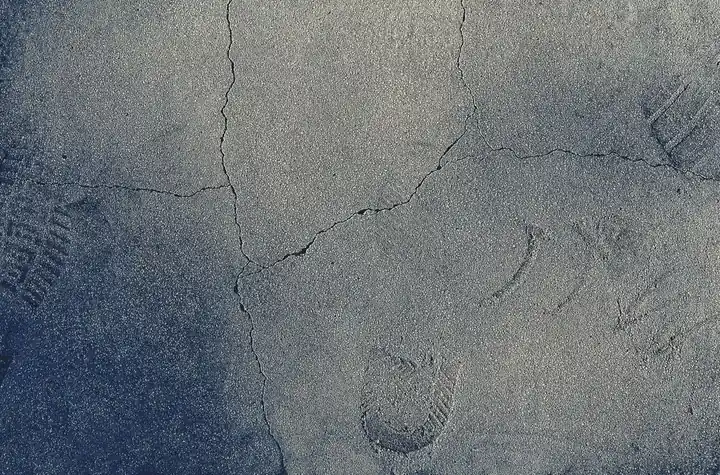
Slab leak foundation damage in Annandale usually shows up as movement, and that movement runs in two opposite directions: heave, where soil swells and lifts the slab, and settlement, where soil loses support and the slab sinks. A leak under the slab can feed either one, because water changes the soil under the concrete, and the first repair step is always the same: stop the water, let the ground dry, and re-measure before anyone talks about piers. Foundation movement is a change in the level or shape of a concrete slab caused by soil swelling, shrinking, washing out, or losing bearing strength underneath it.
Annandale gives this problem a long runway. The median Annandale home was built in 1968, and 76% of homes were built between 1950 and 1979, so many slabs here have lived through decades of wet and dry cycles, plumbing repairs, and changes in drainage around the house. The Annandale census-designated place had 43,363 residents in the 2020 Census, and homes across ZIP 22003 sit on varied ground, so two houses with the same symptom can have different soil stories underneath. That is why a crack alone never diagnoses the cause.
What Heave Looks Like
Heave in Annandale lifts a slab from below. Water from a leak soaks into soil that swells as it wets, and the swelling pushes the concrete upward, often in the middle of a room or near the leak itself. Floors rise into a hump, doors stick at the top of the frame, and cracks open wider at the top than at the bottom.
Clay-rich soils swell most, and problem soils described as marine clay are widespread east of I-95 in the wider region. That regional pattern does not mean every Annandale street sits on marine clay, so check the Fairfax County soil map for your own street before assuming your soil type. Drainage matters too: water pooling beside the house, a broken downspout, or a leak that runs for weeks can all keep swelling soil wet long enough to lift a slab.
Heave often arrives gradually, then stops when the water source stops. That pause is useful evidence. If movement slows after a leak is repaired and the ground dries, swelling soil was likely part of the story. If it keeps moving after drying, something else is at work, and a foundation specialist should look before any lifting or levelling is planned.
What Settlement Looks Like
Settlement in Annandale drops a slab from below. Water from a leak can wash fine soil particles away from under the concrete, leaving a void, and the slab then sinks into that gap under its own weight. Floors slope toward a low corner, doors stick at the bottom of the frame, and cracks open wider at the bottom than at the top.
Settlement also follows dry periods, when soil shrinks and pulls away from the slab, and it follows poor compaction under older slabs. A leak that erodes soil makes the same pattern worse in one spot: the floor dips near the leak, gaps appear where the slab meets a wall, and a previously level room develops a noticeable slope across a few feet.
Unlike heave, settlement rarely reverses on its own. Once soil is washed out or compacted down, the slab stays low until the void is addressed and the cause is fixed. That is why the order of work matters so much: repair the leak, confirm the ground has dried and stabilised, then measure again. Under Slab Leak Repair in Annandale deals with the pipe itself, and foundation work that follows it should rest on fresh measurements, not on the first set taken while the ground was still wet.
Heave or Settlement: How Do You Tell Them Apart?
Heave or settlement: how do you tell them apart in Annandale? Measure direction, crack shape, and timing, and the pattern usually points one way. Heave lifts, settlement drops, heave cracks widen at the top, settlement cracks widen at the bottom, and heave often follows a new water source while settlement often follows erosion or drying.
Door behaviour helps too. A door that sticks at the top and swings free at the bottom suggests the floor or frame has risen on one side, while a door that drags at the bottom suggests the floor has dropped. Neither sign proves the cause on its own, but together with crack shape and a meter test they build a picture worth handing to a technician.
Keep a simple record: photograph each crack with a coin or ruler for scale, note the date, and repeat the photo from the same spot every few weeks. Movement that grows by millimetres over a season tells a different story from a crack that appeared overnight after a storm, and that record helps any specialist separate a live problem from an old, stable one.
What a Slab Leak Does to Soil Under a House
What a slab leak does to soil under a house in Annandale depends on how much water escapes, for how long, and what the soil is made of. A small, steady leak keeps a patch of soil wet for months, and that wet patch swells, softens, or erodes depending on its makeup. A larger leak can wash soil out faster and leave a void under the slab within weeks.
Hot-water leaks add heat to the picture, and warm, wet soil behaves differently from cold, wet soil, but the practical point stays the same: the leak changes the ground, and the ground moves the slab. Fixing the pipe stops the water input, yet the soil still needs time to dry and settle into its new state before measurements mean much.
That drying period is not wasted time. It is when you watch whether cracks stabilise, whether floors stop moving, and whether new dampness appears anywhere else. Rushing to piers or levelling while the ground is still wet risks paying for work sized to a slab position that later changes again.
Common Mistakes With Foundation Movement
Common mistakes with foundation movement in Annandale start with treating the crack instead of the cause. Filling a crack, patching a floor, or levelling a slab while a leak still runs underneath leaves the water in place, and the movement returns. Always confirm the plumbing first: meter test, pressure test, and a location check on any suspect line.
A second mistake is ordering foundation work on the first measurement. One set of levels taken while soil is wet captures a moment, not a trend. Repair the leak, allow drying time, then re-measure, and compare the two sets before deciding what, if anything, the foundation itself needs.
A third mistake is assuming the whole house is affected. Many Annandale homes show movement in one room or one corner only, and that local pattern fits a local leak far better than a whole-house soil failure. Map the symptoms room by room before accepting a plan that treats the entire slab.
Homes in Canterbury Woods and Sleepy Hollow show the same range of patterns as the rest of Annandale, because soil, drainage, and pipe age vary street by street. A Slab Leak Repair in Canterbury Woods visit and a Slab Leak Repair in Sleepy Hollow visit can both start with the same leak tests, even when the foundation symptoms at each house look different. If the work reaches the pipe itself, Slab Leak Repair in Annandale covers the repair options that follow a confirmed diagnosis.
When to Call a Professional
When to call a professional in Annandale is clear: call when cracks are growing, when a floor slopes or humps noticeably, when doors and windows start sticking in a new pattern, or when a meter test shows water moving with everything off. Any one of those signs deserves a plumbing check before a foundation plan.
Call sooner if water appears with the movement, if a floor feels soft or hollow, or if movement speeds up over a few weeks. Slab Leak Repair Annandale VA can test the lines and locate a leak, and a foundation specialist can then assess the slab itself once the ground has dried and fresh levels are in hand. Keeping the two jobs in that order protects both repairs.
Frequently Asked Questions
Does every slab leak damage the foundation?
No. Many leaks are caught early and repaired before the soil moves enough to matter. Damage risk rises with leak size, duration, and soil type, so a small leak found in days is a different case from a large leak running for months.
Can heave reverse after the leak is fixed?
Partly, sometimes. Swelling soil can shrink back as it dries, and floors may settle toward their old position, but not always fully. Re-measuring after drying shows how much recovery happened before any levelling is considered.
Do I need piers after a slab leak?
Not automatically. Piers suit slabs that keep sinking after the leak is fixed and the ground has stabilised. A slab that stops moving after repair and drying may need monitoring rather than piers, and that call belongs to a foundation specialist with fresh measurements.
How long should I wait before re-measuring?
Long enough for the ground to dry and stabilise, which varies with soil, season, and leak size. Weeks of monitoring with dated photos and repeat levels give a trend; a single reading taken days after repair does not.
Get Help With Slab Leak Repair in Annandale
If your floors are moving, your cracks are growing, or your meter points to a leak under the slab, start with the plumbing diagnosis. Fix the leak first, let the soil dry, re-measure, and only then decide what the foundation itself needs.